About.
STUDYING THE EFFECTS OF DANCE ON FUNCTIONAL MOBILITY IN INDIVIDUALS
WITH HD
Dance is a complex sensorimotor activity involving the integration of rhythm, spatial patterns, synchronization to external stimuli and coordination of the whole body.
While regular exercise is frequently recommended as a beneficial practice for Huntington’s Disease, (HD) and other neurodegenerative disease, there are a limited number of studies that examine the benefits of dance. One of the earliest studies compared dance/movement therapy to a traditional exercise program on patients with Parkinson’s Disease (PD). The authors observed improvements in movement initiation in the dance group but not in the exercise group. (Westbrook and McKibben, 1989).
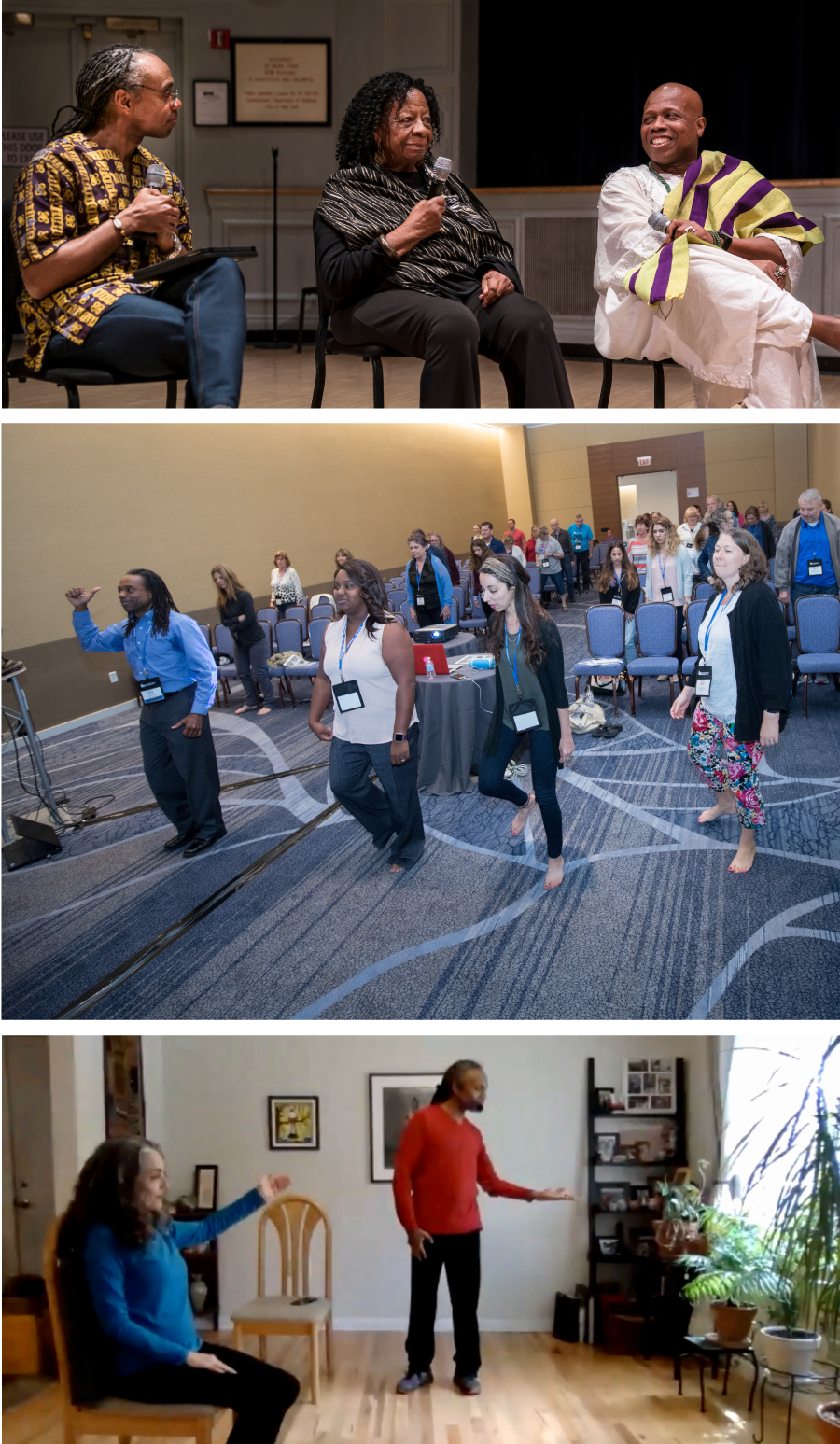
My research studies the effects of dance on functional mobility in individuals with HD, as well as evaluate L/BMA as a replicable method to capture, various aspects of movement by subjects with HD, creating a functional record of movement interventions, which if deemed to have positive effects, can later be replicated in future work and in a clinical setting.
WHAT IS HUNTINGTON’S DISEASE?
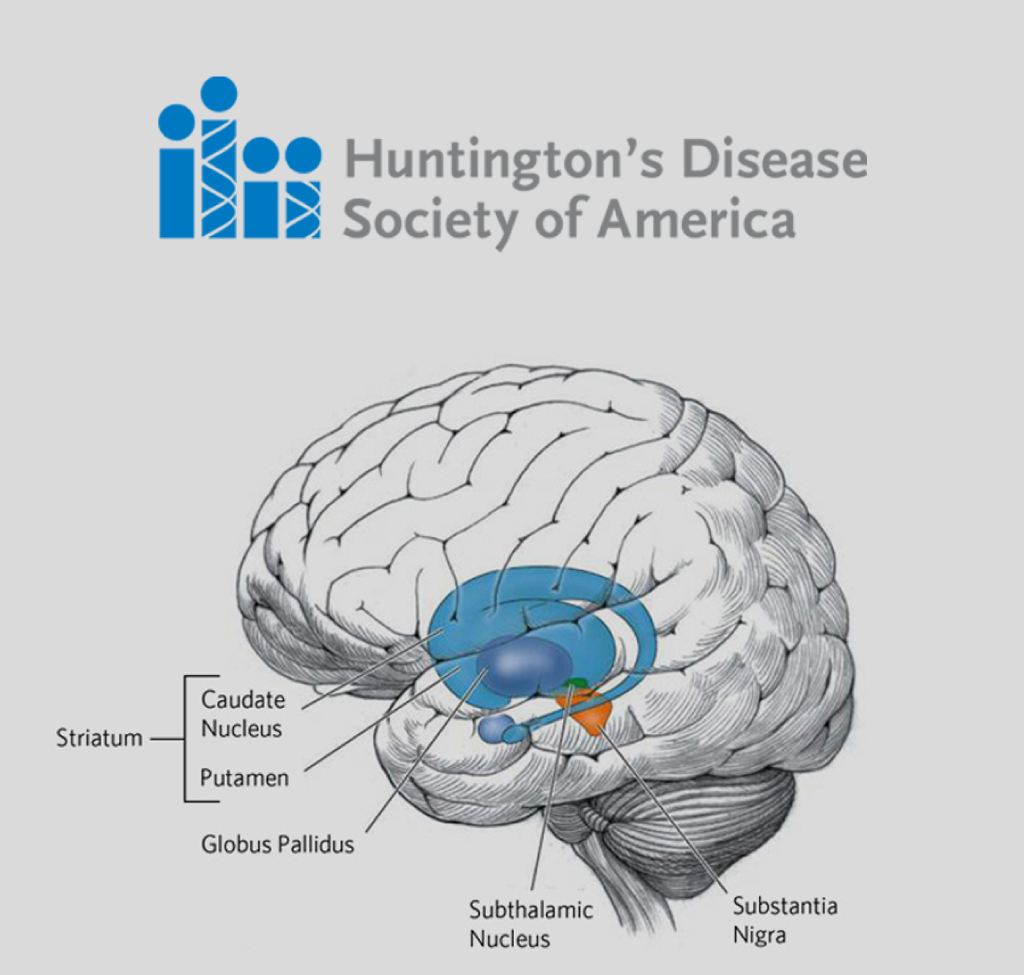
Huntington’s Disease (HD) is a fatal genetic disorder that causes the progressive breakdown of nerve cells in the brain. It deteriorates a person’s physical and mental abilities usually during their prime working years and has no cure. HD is known as the quintessential family disease because every child of a parent with HD has a 50/50 chance of inheriting the faulty gene. Today, there are approximately 41,000 symptomatic Americans and more than 200,000 at-risk of inheriting the disease. The symptoms of HD are described as having ALS, Parkinson’s and Alzheimer’s – simultaneously. Symptoms Include:
- Personality changes, mood swings & depression
- Forgetfulness & impaired judgment
- Unsteady gait & involuntary movements (chorea)
- Slurred speech, difficulty in swallowing & significant weight loss
Symptoms usually appear between the ages of 30 to 50, and worsen over a 10 to 25-year period. Over time, HD affects the individual’s ability to reason, walk and speak.
Dance.
Researchers conducting the first brain imaging studies of both amateur and professional dancers found various brain regions contributed to dance in ways beyond simply carrying out motion (Brown and Parsons, July 2008). These studies suggest that regular activities such as walking, reaching, stooping etc. ‘scale up’ to rhythmically timed, spatially patterned whole-body movements which may explain why dance has a greater impact improving balance and gait. Additionally, studies point to the work of Rudolf Laban (1879-1958) and Irmgard Bartenieff (1900–1981) known as Laban/Bartenieff Movement Analysis (L/BMA) as a promising, replicable method for coding nonverbal behavior in psychotherapy process research (Davis and Hadiks, 1990). L/BMA has been used to capture the kinematic (velocity, acceleration and momentum) and non-kinematic (posture/position) aspects of movement by subjects whose movements had been affected by stroke (Foroud and Whishaw, 2006).
01. IMPROVE BALANCE
02. IMPROVE GAIT
03. IMPROVE MOVEMENT
Contact.
LET’S TALK.
Paul Anthony Dennis
85 Cahillane Terrace
Northampton, MA 01062
paulanthonydominic@gmail.com
203.767.1768